The Psychology of Influence: How I Command Any Room

Picture this: You walk into your company’s quarterly meeting, and instead of shrinking into the back corner like usual, you stride confidently to a seat near the front. When the discussion opens up, you don’t just participate—you lead the conversation. Your colleagues lean in when you speak, nodding along with your insights.
Sound like a fantasy? I used to think so too.
Two years ago, I was the woman who’d rehearse what I wanted to say in meetings but never actually speak up. I’d have amazing ideas in the shower afterward, thinking “Why didn’t I just say that?” I was tired of watching less qualified people get promoted while I stayed invisible.
That’s when I dove deep into influence psychology—the science behind why some people naturally command attention and respect, while others fade into the background. What I discovered changed everything about how I show up in the world.
In this post, I’m sharing the exact strategies that transformed me from a wallflower into someone who genuinely influences and inspires others.

Understanding the Foundation: What Influence Psychology Really Means
Let me clear up a huge misconception. When most people hear “influence psychology,” they think manipulation or being pushy. That couldn’t be further from the truth.
Real influence psychology is about understanding how humans naturally respond to certain behaviors, communication patterns, and energy. It’s about becoming someone others want to listen to, not someone they feel pressured by.
The Three Pillars of Authentic Influence
Through my research and personal experience, I’ve identified three core elements:
1. Presence: How you show up energetically in a space
2. Communication: How you convey your ideas and connect with others
3. Consistency: How reliably you demonstrate your values and expertise
I learned this the hard way during a disastrous presentation to potential clients last year. I was so focused on trying to seem “influential” that I came across as fake. The clients chose our competitor. That failure taught me that authentic influence comes from genuine confidence and value.
What’s your biggest challenge when it comes to speaking up in professional settings?
I’d love to hear about your experiences in the comments below.
The Science Behind Commanding Presence
Here’s something fascinating: within the first seven seconds of meeting you, people make eleven major decisions about who you are. These include whether you’re trustworthy, competent, and worth listening to. Seven seconds!
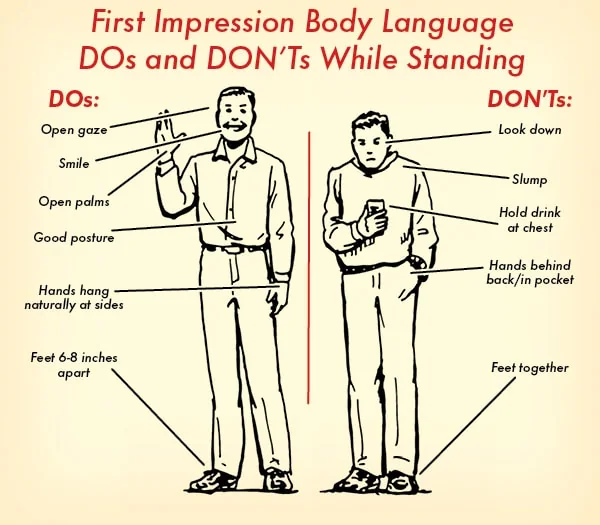
Body Language That Speaks Before You Do
Your body language accounts for 55% of your communication impact. Here are the specific techniques that transformed how people respond to me:
The Power Posture Protocol:
- Stand with feet hip-width apart, weight evenly distributed
- Keep shoulders back but relaxed (not rigid)
- Maintain eye contact for 3-5 seconds before looking away
- Use open palm gestures when speaking
- Take up appropriate space—don’t shrink or sprawl
The Confident Entry Strategy:
- Pause for two seconds after entering a room
- Make eye contact with 2-3 people before moving
- Walk with purpose, even if you’re just getting coffee
I started practicing these techniques during my daily coffee shop visits. The difference was immediate—baristas started remembering my order, and strangers began striking up conversations.
The Vocal Influence Formula
Tone and Pace:
- Speak 10-15% slower than feels natural
- Lower your pitch slightly (higher pitches can sound less authoritative)
- Use strategic pauses before important points
After making an important point, count to three before continuing. This gives your words time to land and shows confidence. I use this constantly now, and people often comment on how “impactful” my communication has become.
Mastering Influential Communication
Communication is where influence psychology gets really interesting. It’s not just what you say—it’s how you make people feel when you say it.
The Connection-First Approach
I used to jump straight into my points, thinking efficiency showed competence. Wrong! People need to feel connected to you before they’ll be influenced by you.
My go-to connection strategies:
- Start with a relevant personal story or observation
- Ask genuine questions about others’ experiences
- Find common ground before presenting different viewpoints
- Use “we” language when discussing shared goals
Last month, I had to present a controversial proposal. Instead of launching into numbers, I started by acknowledging everyone’s commitment to growth and sharing my own concerns. By the time I presented the actual proposal, the room felt collaborative. It was approved unanimously.
The Storytelling Advantage
Stories are influence gold. They bypass logical resistance and create emotional connection.
The IMPACT Method:
- Introduce the situation
- Mention the challenge
- Present the action taken
- Articulate the outcome
- Connect to current situation
- Transition to your main point
What Helped ME: Resources That Made the Difference
I want to be transparent about the tools that accelerated my transformation. These aren’t just theoretical recommendations—these are resources I personally used and continue to reference.
📚 My Top Pick
These books completely revolutionized how I approach difficult conversations. Before reading it, I’d either avoid challenging discussions or handle them poorly. The authors provide a step-by-step framework for navigating high-stakes conversations while maintaining respect.
What I love about it:
- Practical scripts for common difficult situations
- Psychology-based techniques that actually work
- Tools for managing emotions during tense discussions
My personal result: Within three months, I successfully negotiated a 15% salary increase and resolved a year-long conflict with a difficult colleague.
Practical Strategies You Can Use Today
Theory is great, but you want actionable steps. Here are my most effective techniques:
The First Five Minutes Formula
How you enter any space sets the tone for everything that follows.
Minutes 1-2: Strategic Entrance
- Arrive 5-10 minutes early when possible
- Make genuine eye contact and greet 2-3 people individually
- Choose your seat strategically
Minutes 3-5: Value-First Contribution
- Listen actively to initial conversation
- Ask one thoughtful question
- Acknowledge someone else’s point before adding your perspective
The Influence Conversation Framework
When you want to influence a specific outcome:
- Acknowledge the situation (“I know we’re all concerned about…”)
- Share your perspective (“Based on my experience…”)
- Present your idea (“What if we tried…”)
- Address concerns (“I imagine some might think…”)
- Invite collaboration (“What are your thoughts?”)
This works because it’s collaborative rather than combative.
Managing Pushback with Grace
When someone challenges your ideas, use the GRACE Method:
- Get curious about their perspective
- Reflect back what you heard
- Acknowledge valid points
- Clarify your position
- Explore common ground
What’s the most challenging type of person for you to communicate with? Understanding our triggers helps us prepare better strategies.
Overcoming Common Obstacles
The Imposter Syndrome Trap
“Who am I to speak up?” Sound familiar? Here’s my anti-imposter syndrome toolkit:
- Keep a “wins journal” documenting successes
- Prepare 2-3 relevant examples of your expertise before meetings
- Focus on the value you’re providing rather than whether you’re “worthy”
Dealing with Interruptions When interrupted:
- Pause, make eye contact: “I’d like to finish my thought”
- Circle back: “As I was saying about…”
- Stay factual: “I have a different perspective based on…” These situations are frustrating, but handling them with grace increases your influence over time.
Conclusion: Your Journey Starts Now
The psychology of influence isn’t about becoming someone you’re not—it’s about becoming the most powerful, authentic version of who you already are.
Key takeaways: ✅ Influence starts with presence – How you show up matters more than what you say
✅ Connection before correction – People must feel heard before they’ll listen
✅ Practice makes permanent – These skills improve with intentional application
The woman who used to rehearse conversations but never speak up? She still exists inside me, but now she has tools and confidence. Your voice matters. Your ideas have value. The rooms you enter need what you have to offer.
Ready to start commanding any room? Begin with one technique from this post and practice it for a week. Notice how people respond when you show up with intention.
FAQ
Q: Is influence psychology the same as manipulation? A: Absolutely not. Manipulation involves deception for selfish gain. Influence psychology is about authentic communication that creates mutual benefit.
Q: How long to see results? A: Immediate changes in days, sustained influence takes 3-6 months of consistent practice.
Q: Can introverts command a room? A: Absolutely! Influence isn’t about being loudest—it’s about being thoughtful, prepared, and authentic.
Free Download
[DOWNLOAD LINK: Room Command Quick Reference Guide] – Printable guide with all key techniques, perfect for your planner or office.
Share this post with a friend ready to step into her power! Tag us #CommandAnyRoom
Related posts:
- “The Confident Woman’s Guide to Salary Negotiation”
- “Building Unshakeable Self-Worth at Work”
- “Difficult Conversations: Scripts That Work”
Affiliate Disclosure
Some links in this post are affiliate links, meaning I may earn a small commission at no cost to you. I only recommend resources I’ve personally used and believe will help your influence journey. Every recommendation has been part of my own transformation. Your trust means everything—feel free to ask about my experience with any product mentioned! 💪
Do you have a ebook for this?